
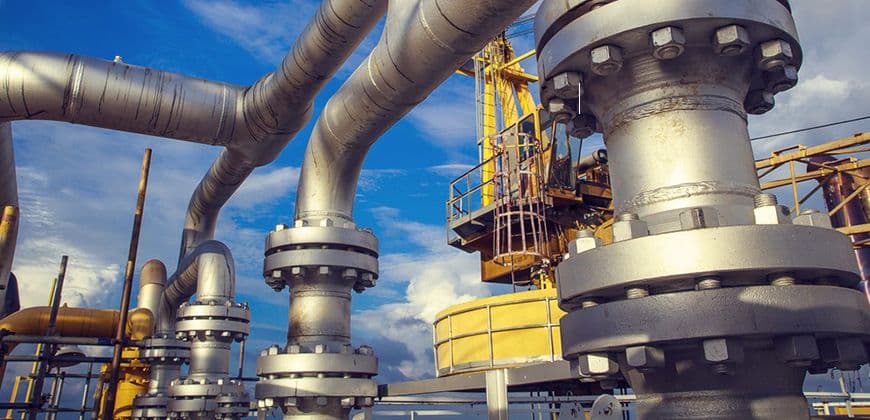
Hot Tapping vs. Line Stopping: Which Pipeline Solution Does Your Project Need?
In industries where continuous operation is critical, shutting down a pipeline is often not an option. Whether it's an oil refinery, petrochemical facility, water treatment plant, or industrial processing unit, every hour of downtime can result in significant production losses and operational disruption.
Two of the most widely used live pipeline intervention methods are Hot Tapping and Line Stopping. Although these techniques are often mentioned together, they solve different engineering challenges.
Understanding the difference between them helps plant managers and maintenance teams choose the most effective solution for their project.
What Is Hot Tapping?
Hot tapping is the process of creating a new branch connection on an active, pressurized pipeline without interrupting the flow of the product inside.
Using specialized equipment, engineers install a fitting and valve before cutting into the live pipeline. The operation allows modifications or expansions to be completed while the system continues operating normally.
Hot Tapping is commonly used for:
- Installing new branch lines
- Connecting new equipment
- Pipeline expansions
- Instrument installations
- System upgrades
- Future maintenance access points
Key Benefits
- No production shutdown
- Reduced operational costs
- Continuous system operation
- Safe and controlled execution
- Minimal disruption to production
What Is Line Stopping?
Line stopping goes one step further.
After performing a hot tap, specialized line stopping equipment is inserted into the pipeline to temporarily block the flow within a specific section.
This creates an isolated work area where maintenance, repairs, valve replacement, or pipeline modifications can be safely performed without shutting down the entire system.
Line Stopping is commonly used for:
- Pipeline repairs
- Valve replacement
- Section isolation
- Equipment replacement
- Pipeline relocation
- Emergency maintenance
Key Benefits
- Isolates only the required pipeline section
- Avoids complete plant shutdown
- Maintains production in unaffected areas
- Improves maintenance efficiency
- Reduces overall downtime
Hot Tapping vs. Line Stopping: A Quick Comparison
Feature
Hot Tapping
Line Stopping
Pipeline remains operational
✅ Yes
✅ Yes
Creates a new branch connection
✅ Yes
❌ No
Temporarily blocks pipeline flow
❌ No
✅ Yes
Suitable for maintenance work
Limited
Excellent
Requires pipeline isolation
❌ No
✅ Yes
Typical use
Expansion and new connections
Repairs and maintenance
When Should You Choose Hot Tapping?
Hot tapping is the preferred solution when your goal is to expand or modify an existing pipeline without interrupting operations.
It is ideal for projects such as:
- Installing additional process lines
- Connecting new production equipment
- Expanding industrial facilities
- Adding pressure or temperature monitoring points
- Future-proofing pipeline systems
If your pipeline simply needs a new connection while remaining fully operational, hot tapping is usually the most efficient choice.
When Is Line Stopping the Better Option?
If maintenance work requires a section of the pipeline to be isolated, line stopping is typically the better solution.
Typical applications include:
- Replacing damaged valves
- Repairing leaking pipeline sections
- Modifying existing piping
- Emergency maintenance
- Tie-ins to existing systems
- Infrastructure upgrades
Line stopping allows engineers to work safely on one section of the pipeline while the remainder of the facility continues operating.
Can Hot Tapping and Line Stopping Be Used Together?
Yes.
In many industrial projects, hot tapping is performed first to create the required access point. A line stopping machine is then installed through that connection to temporarily isolate the pipeline.
This combination enables complex maintenance activities without requiring a complete shutdown, making it one of the most effective approaches for live pipeline interventions.
Which Industries Use These Services?
Hot tapping and line stopping are widely used across industries where continuous operation is essential, including:
- Oil & Gas
- Petrochemical Plants
- Refineries
- Water Treatment Facilities
- District Cooling Systems
- Power Generation
- Chemical Processing
- Industrial Manufacturing
These industries rely on live pipeline intervention techniques to maintain productivity while ensuring safety and operational reliability.
Choosing the Right Solution
Selecting between hot tapping and line stopping depends on your project's objectives.
Choose Hot Tapping when you need to:
- Add a new connection
- Expand an existing pipeline
- Install additional equipment
- Modify the system without interrupting flow
Choose Line Stopping when you need to:
- Isolate a section of pipeline
- Perform repairs or maintenance
- Replace valves or equipment
- Complete modifications while keeping the rest of the system operational
A detailed engineering assessment is essential to determine the safest and most efficient approach for each application.
Why Integrity Flow Solutions?
At Integrity Flow Solutions, we provide specialized live pipeline intervention services across the Middle East and India. Our certified engineers deliver safe, reliable, and zero-downtime solutions for critical infrastructure in the oil & gas, petrochemical, water treatment, and industrial sectors.
Using advanced equipment, proven engineering practices, and strict safety standards, we help clients reduce downtime, improve operational efficiency, and maintain the integrity of their pipeline systems.
Final Thoughts
Hot tapping and line stopping are complementary technologies designed to solve different operational challenges. While hot tapping creates new live pipeline connections, line stopping provides temporary isolation for maintenance and repairs.
Understanding when to use each method can significantly reduce downtime, lower maintenance costs, and improve overall operational efficiency.
Whether your project involves pipeline expansion, emergency repairs, or planned maintenance, choosing the right live intervention technique ensures your operations continue safely and efficiently.