
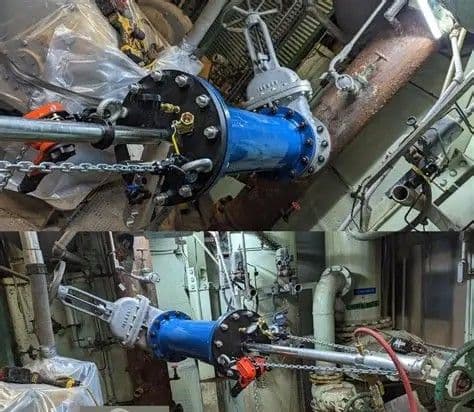
How Inflatable Pipe Plugs Work
An inflatable pipe plug is a high-quality rubber (Reinforced polyurethane) device that is inserted into the pipeline and inflated to block flow. When inserted through an access point, the plug expands to seal the pipe completely, creating a temporary barrier for liquids or gases.
This allows workers to conduct repairs, perform inspections, or install equipment while the rest of the pipeline remains operational.
Some systems utilize dual-balloon/plugs setups, inserted through hot tapping access.
Applications and Advantages
Inflatable plugs are particularly useful when working with water, air, gas or utility products, which require reliable sealing under challenging conditions.
Key advantages include:
Rapid deployment: The plug can stop flow almost instantly, minimizing potential damage or leaks
Versatility: Can be positioned via small access openings, close to the work area rather than at pipe ends
Safety: Reduces the need to shut down large sections of a pipeline, protecting operations and personnel
Reusability: High-quality plugs can be deflated and removed after work is completed, ready for future deployment
Best Practices
Ensure the plug size matches the pipeline diameter and material type.
Inflate the plug gradually and monitor pressure carefully to prevent damage to the pipeline or plug
Always follow safety protocols, including isolation verification and personnel protection, during installation and deflation
For long-term maintenance, use specialized line stops designed for extended holding periods under pressure
Conclusion
Inflatable pipe plugs are a practical and reliable solution for line stopping operations across industries. Their ability to quickly and safely isolate pipeline sections makes them an essential tool for maintenance, repair, and installation projects, saving both time and operational costs while safeguarding.